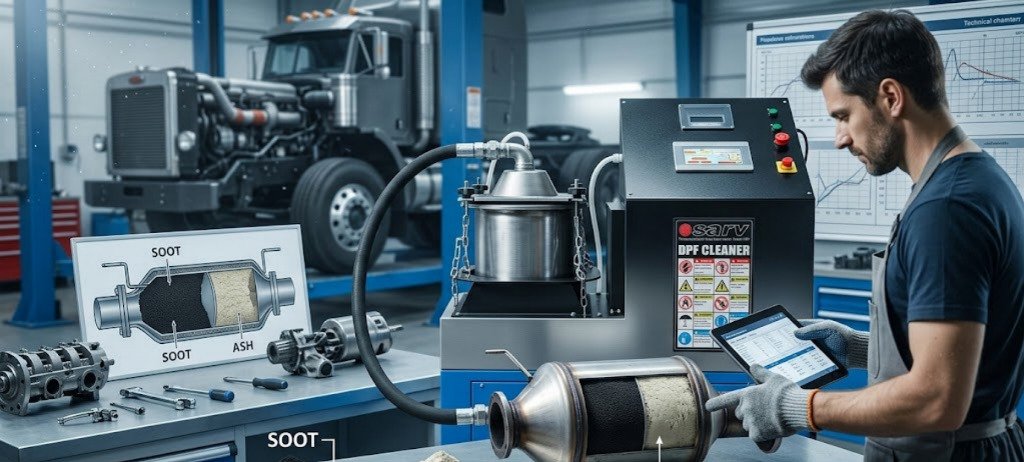
Modern diesel vehicles are designed to meet strict emission regulations, making Diesel Particulate Filters (DPFs) an essential component of the exhaust system. While DPFs effectively capture harmful soot particles, they require regular cleaning through a process called regeneration. Many workshop owners, fleet operators, and vehicle owners hear terms like active regeneration, passive regeneration, and forced regeneration but may not fully understand what they mean. Knowing how these processes work can help prevent costly repairs, reduce vehicle downtime, and improve engine efficiency. A reliable DPF cleaning solution combined with professional maintenance can significantly improve DPF performance and extend its service life. In this guide, we’ll explain DPF regeneration in simple terms and discuss when a DPF cleaning machine, DPF cleaner, or professional DPF cleaning service becomes necessary. What Is a DPF? A Diesel Particulate Filter (DPF) is a device installed in diesel vehicles to trap soot and particulate matter generated during combustion. The primary purpose of a DPF is to: As soot accumulates inside the filter, it must be removed periodically. This cleaning process is known as regeneration. What Is DPF Regeneration? DPF regeneration is the process of burning accumulated soot inside the filter and converting it into a small amount of ash. Without regeneration: There are three main types of DPF regeneration: Let’s understand each one in detail. Passive Regeneration What Is Passive Regeneration? Passive DPF regeneration occurs naturally when the exhaust temperature becomes high enough to burn soot particles without any intervention. Typically, soot burns at temperatures above 350°C–500°C. When a vehicle operates continuously on highways or under heavy loads, exhaust temperatures rise sufficiently to clean the DPF automatically. How Passive DPF regeneration Works The process is simple: Benefits of Passive DPF regeneration Low Maintenance No additional fuel or special procedures are required. Reduced Downtime The cleaning process occurs while driving. Better Fuel Efficiency The DPF remains less restricted, improving engine performance. Longer DPF Life Regular passive DPF regeneration reduces severe clogging. Limitations of Passive Regeneration Passive regeneration may not occur effectively if vehicles: These operating conditions often require active or forced regeneration. Active Regeneration What Is Active Regeneration? When the engine control unit (ECU) detects excessive soot accumulation, it initiates active regeneration automatically. The vehicle increases exhaust temperatures by injecting extra fuel into the combustion process. This raises DPF temperatures to approximately 600°C, allowing trapped soot to burn off. How Active Regeneration Works The process generally follows these steps: Step 1: Monitoring Soot Levels Sensors monitor pressure and soot accumulation inside the DPF. Step 2: ECU Activation When soot reaches a specific threshold, the ECU triggers regeneration. Step 3: Temperature Increase Additional fuel injection raises exhaust temperature. Step 4: Soot Burn-Off The accumulated soot burns into ash. Step 5: System Reset The DPF returns to normal operating conditions. Signs Active Regeneration Is Occurring Drivers may notice: These are usually normal signs of regeneration. Benefits of Active Regeneration Automatic Process Requires minimal driver involvement. Effective Cleaning Removes significant soot accumulation. Prevents Blockages Keeps the filter functioning efficiently. Drawbacks of Active Regeneration Increased Fuel Usage Additional fuel is required to raise exhaust temperatures. Interruptions Can Cause Problems If the engine is turned off during regeneration, soot accumulation may continue. Not Always Sufficient Repeated interrupted regenerations may eventually require professional DPF cleaning. Forced Regeneration What Is Forced Regeneration? Forced regeneration is a workshop-based procedure used when soot accumulation becomes too high for passive or active regeneration to work effectively. A diagnostic tool initiates regeneration while the vehicle remains stationary. This process is usually performed by trained technicians. When Is Forced Regeneration Needed? Forced regeneration becomes necessary when: How Forced Regeneration Works Vehicle Inspection Technicians check the DPF condition and sensor readings. Diagnostic Equipment Connection A scan tool communicates with the ECU. Controlled Regeneration The system increases exhaust temperature under controlled conditions. Soot Removal Accumulated soot burns away. Performance Verification The technician confirms successful regeneration. Benefits of Forced Regeneration Limitations of Forced Regeneration Forced regeneration may not solve issues caused by: In such cases, professional DPF cleaning becomes necessary. Why Regeneration Alone Is Not Always Enough Many vehicle owners assume regeneration completely cleans the DPF. However, regeneration only removes soot. It does not remove: Over time, these materials accumulate and reduce DPF efficiency. This is where a professional DPF cleaning solution and specialized cleaning equipment become important. The Role of a DPF Cleaning Solution A high-quality DPF cleaning solution is designed to remove stubborn contaminants that regeneration cannot eliminate. Benefits include: For workshops, using the right cleaning solution can improve cleaning results and customer satisfaction. Why Workshops Need a DPF Cleaning Machine As diesel vehicles continue to dominate commercial transportation, demand for professional DPF services is growing. A modern DPF cleaning machine helps workshops: Increase Service Revenue Offer specialized DPF maintenance services. Improve Cleaning Efficiency Achieve more consistent cleaning results. Reduce Manual Labor Automated systems simplify the cleaning process. Serve Fleet Customers Fleet operators require regular DPF maintenance. Benefits of Investing in a DPF Cleaning Machine in India Demand for DPF cleaning machine in India is increasing because: Workshops equipped with advanced DPF cleaning equipment gain a competitive advantage in the market. Common Signs a DPF Needs Cleaning Watch for these warning signs: Ignoring these symptoms can lead to expensive repairs or DPF replacement. Best Practices for Maintaining a DPF Drive at Suitable Speeds Regular highway driving encourages passive regeneration. Avoid Excessive Idling Long idle periods increase soot accumulation. Use Quality Fuel Better fuel quality reduces particulate formation. Monitor Warning Lights Address DPF alerts promptly. Schedule Professional Cleaning Periodic maintenance with a DPF cleaner and cleaning machine keeps filters operating efficiently. The Future of DPF Maintenance As emission standards become stricter worldwide, DPF systems will play an increasingly important role. Workshops equipped with advanced cleaning technology and professional DPF cleaning solutions will be better positioned to support: Understanding regeneration processes is the first step toward maintaining healthy DPF systems and avoiding costly failures. Improve DPF Performance with Professional Cleaning Solutions Looking for a reliable DPF cleaning solution or advanced DPF cleaning
Can DPF Cleaning Solution Improve Fuel Efficiency? Here’s What Workshop Owners Need to Know
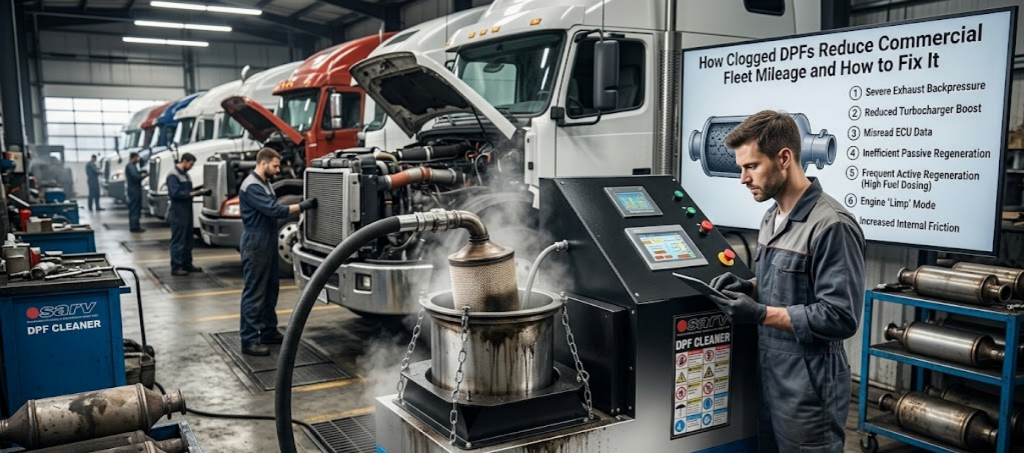
A professional DPF Cleaning Solution is becoming an essential service for workshops, fleet maintenance centers, and diesel vehicle service providers. As emission regulations become stricter and diesel engines continue to rely on Diesel Particulate Filters (DPFs), vehicle owners are increasingly looking for ways to improve fuel economy while reducing maintenance costs. One of the most common questions workshop owners hear from customers is: “Can DPF Cleaning Solution improve fuel efficiency?” The answer is yes. Regular DPF Cleaning Solution can significantly improve engine performance, reduce exhaust restrictions, and help vehicles achieve better fuel economy. With the help of an advanced DPF cleaning machine, workshops can provide a valuable service that not only restores DPF performance but also helps customers save money on fuel and repairs. In this guide, we’ll explain how DPF systems affect fuel consumption, why clogged filters increase operating costs, and how investing in a DPF cleaning machine in India can create new business opportunities for workshop owners. Understanding the Role of a Diesel Particulate Filter (DPF) A Diesel Particulate Filter is a critical emission control component installed in modern diesel vehicles. Its primary function is to: During normal engine operation, soot accumulates inside the DPF. While regeneration burns off some of the soot, ash and carbon deposits gradually build up over time. Eventually, the filter becomes restricted and requires professional cleaning. How a Clogged DPF Affects Fuel Efficiency When a DPF becomes blocked, it restricts the flow of exhaust gases. This creates several problems: Increased Exhaust Back Pressure A clogged filter forces the engine to work harder to push exhaust gases through the system. As engine load increases: The result is higher operating costs for vehicle owners. More Frequent Regeneration Cycles When soot levels become excessive, the vehicle initiates regeneration more frequently. During regeneration: Repeated regeneration cycles can significantly increase fuel consumption over time. Reduced Engine Performance Restricted airflow affects combustion efficiency. Drivers may notice: A clean DPF helps restore optimal engine operation. Can DPF Cleaning Solution Really Improve Fuel Efficiency? The short answer is yes. A professional DPF Cleaning Solution removes accumulated ash, soot, and carbon deposits that regeneration alone cannot eliminate. After cleaning, many vehicles experience: While fuel savings vary depending on vehicle condition and operating environment, cleaner exhaust systems generally contribute to more efficient engine performance. The Science Behind Fuel Savings Better Airflow Means Better Combustion Diesel engines depend on efficient airflow to operate effectively. When exhaust gases exit freely: This leads to improved overall fuel efficiency. Reduced Stress on Engine Components A blocked DPF affects several systems: Turbocharger High back pressure can reduce turbo efficiency. EGR System Excessive soot may impact exhaust gas recirculation performance. Sensors Pressure and temperature sensors can provide inaccurate readings. Engine Management System The ECU may adjust fueling strategies to compensate for restrictions. Cleaning the DPF helps restore normal operating conditions. Signs That Fuel Efficiency Is Being Affected by DPF Problems Workshop owners should educate customers about common warning signs. Increased Fuel Consumption One of the earliest indicators of DPF restriction. Frequent Regeneration Repeated regeneration events often signal excessive soot accumulation. DPF Warning Light Dashboard alerts indicate filter loading issues. Reduced Engine Power Vehicles may feel sluggish during acceleration. Poor Mileage Performance Drivers often report lower kilometers per liter than usual. Identifying these symptoms early can prevent larger maintenance issues. Why Workshop Owners Should Offer DPF Cleaning Services Demand for professional DPF services continues to grow. By offering a reliable DPF Cleaning Solution, workshops can: As more commercial vehicles adopt advanced emission systems, DPF maintenance becomes a recurring service opportunity. Benefits of Using a Professional DPF Cleaning Machine Manual cleaning methods are often inconsistent and may fail to remove deeply embedded ash. Modern DPF cleaning machines provide superior results. Key Advantages Thorough Cleaning Removes ash and soot from internal filter channels. Faster Turnaround Allows workshops to service more vehicles. Consistent Results Automated systems provide repeatable cleaning quality. Reduced Labor Requirements Less manual effort compared to traditional methods. Diagnostic Capabilities Many machines include airflow and back-pressure testing. These benefits improve both service quality and profitability. DPF Cleaning Machine in India: Growing Market Opportunities India’s commercial vehicle sector is expanding rapidly. With Bharat Stage VI (BS6) emission standards, DPF-equipped vehicles are becoming increasingly common. As a result, demand for DPF cleaning machine in India solutions is growing among: Workshops that invest early can establish themselves as local DPF service specialists. How Regular DPF Cleaning Reduces Vehicle Operating Costs Lower Fuel Expenses Improved exhaust flow supports better fuel economy. Reduced Downtime Vehicles spend more time on the road and less time in repair bays. Fewer Emergency Repairs Preventive maintenance reduces unexpected failures. Extended DPF Life Cleaning is significantly more affordable than replacement. Improved Fleet Reliability Reliable vehicles generate higher productivity and customer satisfaction. Recommended DPF Maintenance Schedule Workshop owners should advise customers to: Monitor DPF Loading Levels Use diagnostic tools to identify restriction levels. Schedule Regular Inspections Inspection frequency depends on: Clean Before Severe Blockage Occurs Preventive maintenance is always more cost-effective than reactive repairs. Maintain Service Records Tracking DPF performance helps optimize maintenance intervals. Common Myths About DPF Cleaning and Fuel Efficiency Myth 1: Regeneration Removes Everything Reality: Regeneration removes soot but cannot eliminate ash accumulation. Myth 2: DPF Cleaning Is Only Needed When Warning Lights Appear Reality: Preventive cleaning reduces fuel losses and prevents expensive repairs. Myth 3: DPF Replacement Is Better Than Cleaning Reality: Most clogged filters can be professionally restored at a fraction of replacement cost. Myth 4: Fuel Economy Cannot Improve After Cleaning Reality: Many vehicles experience improved efficiency after restoring proper exhaust flow. How Workshops Can Market DPF Cleaning Services To attract customers, workshops should educate vehicle owners about: Content marketing, service packages, and fleet maintenance programs can help generate recurring business. Conclusion So, can a DPF Cleaning Solution improve fuel efficiency? Absolutely. A clean DPF reduces exhaust restrictions, minimizes regeneration frequency, improves combustion efficiency, and helps diesel engines operate more effectively. For vehicle owners, this often translates into lower fuel costs, improved reliability, and reduced
Manual DPF Cleaning vs Fully Automatic DPF Cleaning: A Practical Comparison
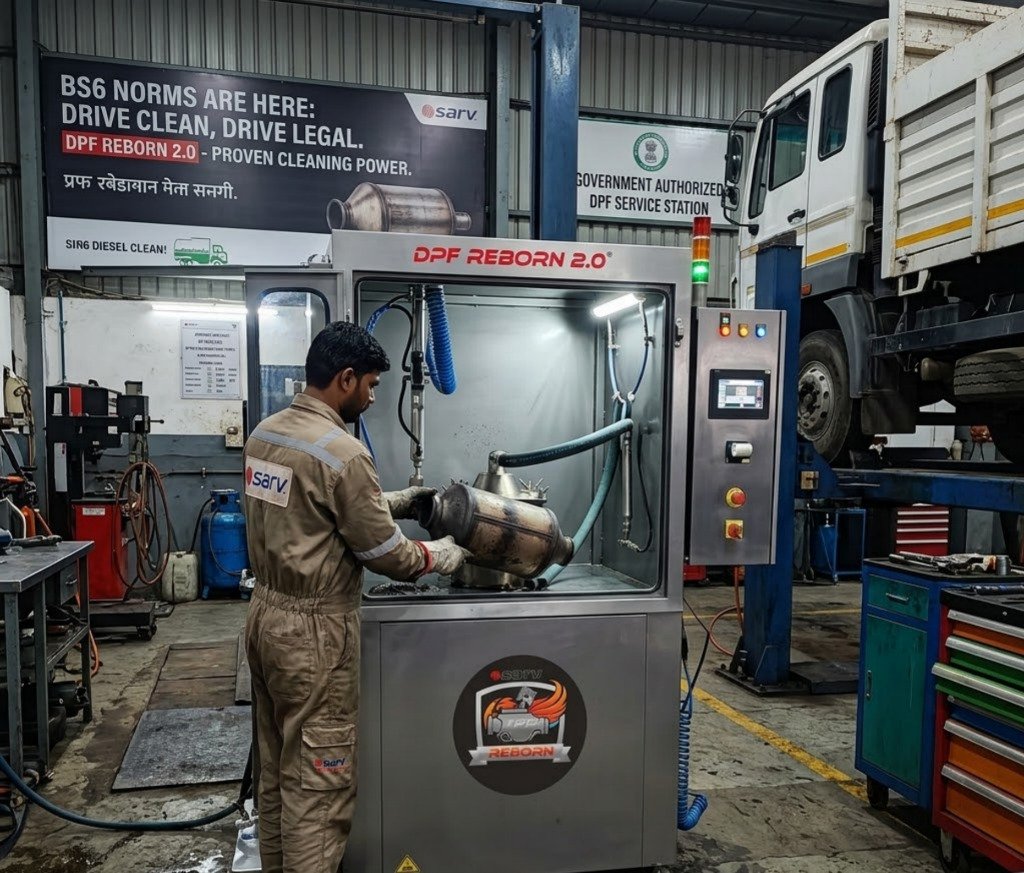
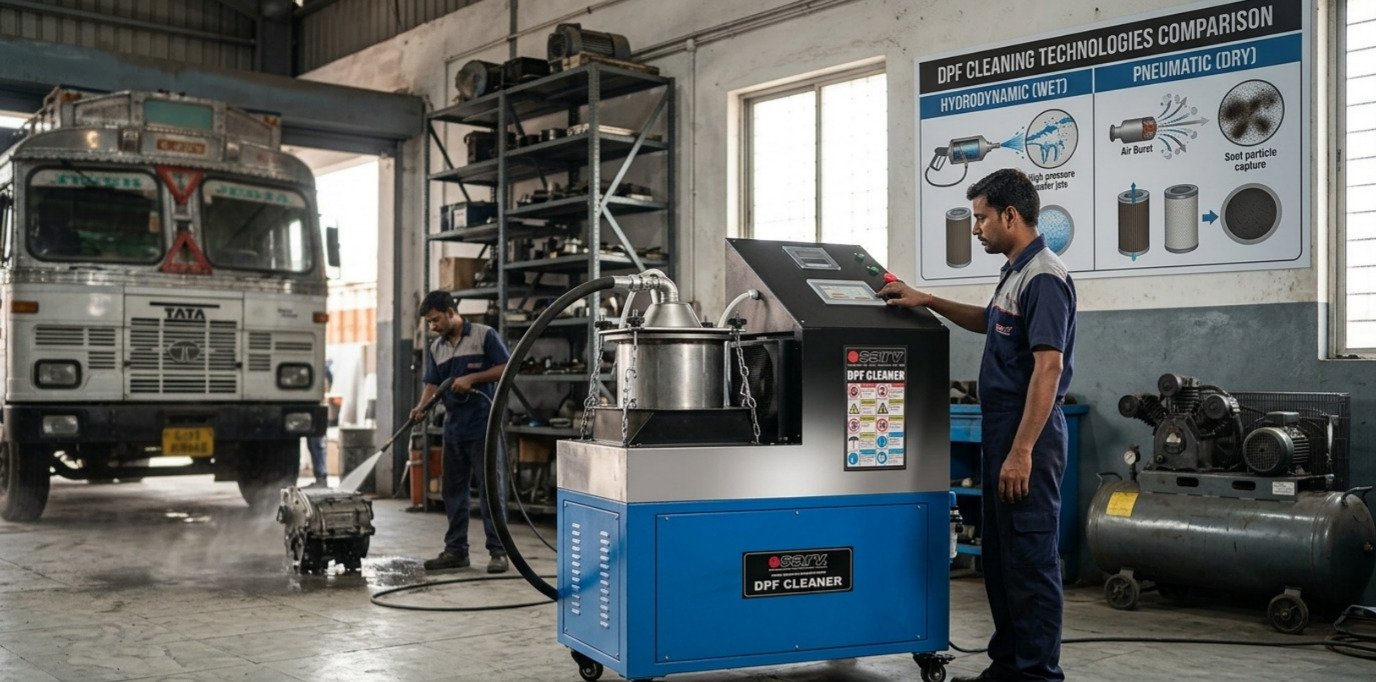
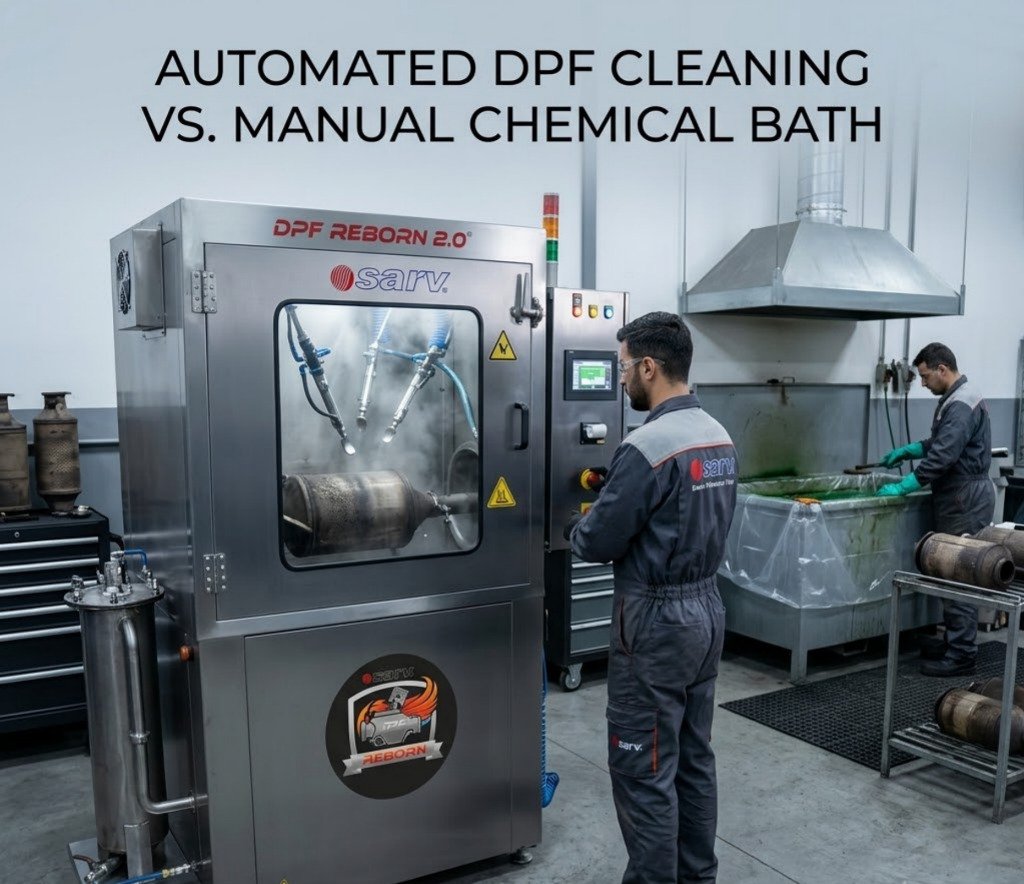
The demand for an effective DPF Cleaning Solution has increased significantly as diesel vehicles become more advanced and emission regulations become stricter. Whether you operate a commercial vehicle workshop, manage a fleet, or service diesel engines regularly, maintaining a clean Diesel Particulate Filter (DPF) is critical for vehicle performance and compliance. When it comes to DPF cleaning, workshops generally choose between two approaches: manual cleaning and fully automatic cleaning. While both methods aim to remove soot and ash deposits from the filter, the results, efficiency, labor requirements, and profitability can vary dramatically. In this detailed comparison, we’ll explore the advantages and limitations of both methods, helping workshop owners and fleet operators make informed decisions. We’ll also explain why many service centers are investing in advanced DPF cleaning machines and why the demand for DPF cleaning machine in India solutions continues to grow. Understanding the Importance of DPF Cleaning The Diesel Particulate Filter is designed to capture harmful soot particles before they are released into the atmosphere. Over time, the filter becomes clogged with: When this happens, vehicles may experience: A professional DPF cleaner helps restore airflow and improve engine efficiency without requiring costly filter replacement. What Is Manual DPF Cleaning? Manual DPF cleaning involves technicians using basic cleaning equipment, compressed air, chemicals, or water flushing techniques to remove soot deposits from the filter. Common Manual Cleaning Methods This approach has been used for years because of its lower initial investment cost. Advantages of Manual DPF Cleaning Lower Initial Cost Manual cleaning equipment generally requires less upfront investment. Suitable for Low Cleaning Volumes Workshops handling occasional DPF jobs may find manual methods adequate initially. Basic Equipment Requirements Most workshops already have access to compressed air systems and washing equipment. Easier Entry Into DPF Services For small garages, manual cleaning can provide an entry point into DPF maintenance services. Limitations of Manual DPF Cleaning Despite its affordability, manual cleaning presents several challenges. Inconsistent Cleaning Results Cleaning effectiveness often depends on technician experience. Incomplete Ash Removal Many manual methods remove surface soot but fail to clear deep ash deposits. Longer Service Time Manual cleaning can take significantly longer than automated systems. Higher Labor Dependency The entire process requires continuous technician involvement. Risk of Filter Damage Improper pressure levels or cleaning techniques can damage the DPF substrate. Difficult Quality Control Achieving consistent results across multiple filters becomes challenging. What Is Fully Automatic DPF Cleaning? A fully automatic DPF cleaning machine uses advanced cleaning technology to remove soot and ash deposits efficiently with minimal operator intervention. The cleaning cycle is controlled electronically and follows a standardized process designed to restore filter performance. How It Works Most automatic systems include: This ensures every filter receives a consistent and repeatable cleaning process. Advantages of Fully Automatic DPF Cleaning Superior Cleaning Efficiency Automatic systems remove both soot and deeply embedded ash deposits. Consistent Results Every cleaning cycle follows predefined parameters. Faster Turnaround Time Workshops can clean more filters each day. Reduced Technician Dependency Operators can manage multiple tasks while the machine performs the cleaning process. Improved Customer Satisfaction Better cleaning results lead to improved vehicle performance. Increased Workshop Revenue Faster processing means more completed jobs. Manual DPF Cleaning vs Fully Automatic DPF Cleaning Cleaning Effectiveness Manual Cleaning Fully Automatic Cleaning Winner: Fully Automatic Cleaning Time Required Per Filter Manual Cleaning Fully Automatic Cleaning Winner: Fully Automatic Cleaning Labor Requirements Manual Cleaning Fully Automatic Cleaning Winner: Fully Automatic Cleaning Cleaning Consistency Manual Cleaning Results vary depending on: Fully Automatic Cleaning Winner: Fully Automatic Cleaning Risk of Damage Manual Cleaning Improper cleaning pressure may damage filter components. Fully Automatic Cleaning Controlled cleaning parameters reduce the risk of damage. Winner: Fully Automatic Cleaning Why Fleet Operators Prefer Professional DPF Cleaning Solutions Fleet downtime directly impacts profitability. When vehicles remain off the road due to DPF issues: Professional DPF Cleaning Solution systems help fleet managers: Why Workshops Are Switching to Fully Automatic DPF Cleaning Machines The commercial vehicle industry is expanding rapidly. As more diesel vehicles require maintenance, workshops need scalable solutions. Key Business Benefits More Jobs Per Day Automated systems increase service capacity. Better Profit Margins Higher efficiency means improved profitability. Professional Service Offering Advanced equipment builds customer confidence. Competitive Advantage Workshops with automated cleaning capabilities often attract fleet contracts. The Growing Demand for DPF Cleaning Machines in India India’s commercial vehicle sector continues to grow. As emission standards become stricter, DPF maintenance is becoming an essential service. This has created strong demand for: Investing in a modern DPF cleaning machine in India allows workshops to stay ahead of industry demand while generating a new revenue stream. Cost Comparison: Manual vs Automatic DPF Cleaning Manual Cleaning Pros: Cons: Fully Automatic Cleaning Pros: Cons: However, most workshops recover their investment through increased service volume and recurring customer demand. Which DPF Cleaning Method Is Right for Your Workshop? The answer depends on your business goals. Manual cleaning may work for very low service volumes. However, if you want: A fully automatic DPF cleaner offers significant advantages. Conclusion Both manual and fully automatic cleaning methods serve the same purpose, but the difference lies in efficiency, consistency, and profitability. While manual cleaning may seem cost-effective initially, fully automatic systems provide superior cleaning performance, reduced labor requirements, faster turnaround times, and higher customer satisfaction. As demand for professional DPF Cleaning Solution services continues to increase, workshops that invest in advanced DPF cleaning machines position themselves for long-term growth and greater profitability. If your goal is to deliver better results while increasing workshop revenue, a fully automatic DPF cleaning system is the smarter investment. Knowledge and the data needed to achieve sustainability – Upgrade Your Workshop With a Fully Automatic DPF Cleaning Machine Still relying on manual cleaning methods? Discover how a fully automatic DPF Cleaning Machine can help your workshop: ✅ Increase Daily Job Capacity ✅ Deliver Consistent Cleaning Results ✅ Reduce Labor Dependency ✅ Improve Customer Satisfaction ✅ Generate Additional Revenue 📞 Contact our experts today for a FREE consultation, product demo, and ROI
DPF Cleaning Solution for Better Engine Performance
Modern diesel vehicles are designed to deliver power, durability, and fuel efficiency. However, maintaining diesel engines requires proper care, especially when it comes to the Diesel Particulate Filter (DPF). Over time, soot and ash build up inside the DPF, affecting engine efficiency and increasing fuel consumption. This is where a professional DPF cleaning solution becomes essential. A reliable DPF cleaning solution helps restore blocked filters, improve engine performance, reduce harmful emissions, and enhance fuel economy. Whether you operate heavy commercial vehicles, trucks, buses, or industrial diesel equipment, regular DPF cleaning can significantly improve overall vehicle performance and reduce maintenance costs. In this blog, we will explain how DPF cleaning works, why it matters, and how it helps improve engine performance and fuel efficiency. What is a DPF? A Diesel Particulate Filter (DPF) is an important component in modern diesel engines. It captures and stores soot particles produced during diesel combustion before they are released into the environment. DPFs are essential for meeting strict emission regulations such as BS6 and Euro emission standards. Main Functions of a DPF Although DPFs are highly effective, they eventually become clogged due to continuous soot accumulation. What Causes DPF Blockage? DPF blockage occurs when soot and ash deposits exceed the filter’s storage capacity. Several factors contribute to clogging: Short Distance Driving Vehicles driven mostly in city traffic may not reach the temperatures required for proper DPF regeneration. Poor Fuel Quality Low-quality diesel can produce excessive soot. Excessive Idling Long idle times increase carbon buildup inside the DPF. Faulty Injectors or Turbochargers Engine issues can lead to incomplete combustion and higher soot production. Delayed Maintenance Ignoring warning signs can result in severe DPF blockage. Signs Your Vehicle Needs a DPF Cleaning Solution A blocked DPF can affect engine performance in several ways. Common Symptoms Include: If these issues are ignored, the DPF may require expensive replacement instead of cleaning. What is a DPF Cleaning Solution? A DPF cleaning solution refers to specialized equipment, cleaning chemicals, and processes used to remove soot, ash, and carbon deposits from diesel particulate filters. Professional DPF cleaning machines use: These methods restore the DPF to near-original condition. How a DPF Cleaning Solution Improves Engine Performance A clean DPF allows the engine to operate more efficiently. Let’s understand how this happens. 1. Restores Proper Exhaust Flow A clogged DPF restricts exhaust gas flow, creating excessive back pressure inside the engine. This leads to: A professional DPF cleaning solution removes the blockage and restores proper airflow. Benefits of Better Exhaust Flow 2. Reduces Engine Back Pressure When the DPF becomes blocked, the engine must work harder to push exhaust gases through the filter. High back pressure can: Cleaning the DPF helps reduce back pressure and improves engine health. 3. Improves Turbocharger Performance Turbochargers rely on smooth exhaust flow for proper operation. A blocked DPF can: By using a proper DPF cleaning solution, workshops can restore turbocharger efficiency and improve vehicle acceleration. 4. Enhances Combustion Efficiency Efficient exhaust flow improves the air-fuel mixture inside the engine. This leads to: The engine operates more smoothly after DPF cleaning. 5. Reduces Engine Overheating Blocked DPFs increase exhaust temperatures during regeneration cycles. Excessive heat can: Regular DPF cleaning helps maintain safe operating temperatures. How a DPF Cleaning Solution Improves Fuel Efficiency Fuel economy is one of the biggest concerns for fleet operators and diesel vehicle owners. A clean DPF can significantly improve mileage and reduce operating costs. 1. Reduces Fuel Consumption During Regeneration When the DPF becomes blocked, the engine triggers active regeneration more frequently. Regeneration burns extra fuel to clean the filter internally. Frequent regeneration results in: A clean DPF reduces unnecessary regeneration cycles. 2. Improves Engine Efficiency Engines perform best when exhaust gases flow freely. A professional DPF cleaning solution improves airflow and allows the engine to use fuel more efficiently. This helps: 3. Optimizes Air-to-Fuel Ratio A blocked DPF disrupts engine airflow balance. Cleaning the filter restores proper air movement, helping the engine maintain the ideal air-to-fuel ratio. This improves: 4. Reduces Engine Load A clogged DPF forces the engine to work harder. Higher engine load increases fuel consumption. DPF cleaning reduces unnecessary strain on the engine, helping save fuel over time. Benefits of Professional DPF Cleaning Professional cleaning offers several long-term advantages compared to basic manual cleaning methods. Key Benefits Improved Engine Performance Restores lost power and acceleration. Better Fuel Economy Reduces fuel consumption and operating costs. Lower Emissions Helps vehicles comply with emission regulations. Extended DPF Life Prevents premature DPF replacement. Reduced Maintenance Costs Minimizes expensive engine and turbocharger repairs. Faster Vehicle Performance Recovery Drivers notice smoother and more responsive performance after cleaning. Types of DPF Cleaning Machines Modern workshops generally use two types of DPF cleaning machines. Fully Automatic DPF Cleaning Machines These systems perform the cleaning process automatically with minimal operator involvement. Features Advantages Semi Automatic DPF Cleaning Machines These machines require some manual handling during operation. Features Advantages Industries That Benefit from DPF Cleaning Solutions DPF cleaning is important across many industries using diesel-powered vehicles and equipment. Commercial Vehicle Workshops Truck and bus service centers regularly clean DPFs for customers. Fleet Management Companies Fleet operators use DPF cleaning to reduce maintenance costs and improve uptime. Construction Industry Construction equipment with diesel engines requires regular DPF maintenance. Mining Industry Heavy mining machinery depends on efficient DPF systems for reliable operation. Agriculture Sector Modern tractors and farm equipment also use DPF technology. Why Regular DPF Maintenance Matters Ignoring DPF maintenance can lead to serious problems. Risks of Neglecting DPF Cleaning Preventive maintenance is always more affordable than major repairs. Best Practices for Maintaining a Healthy DPF To improve DPF lifespan and performance: Use Quality Diesel Fuel Better fuel reduces soot buildup. Avoid Excessive Idling Long idle times increase carbon accumulation. Follow Service Schedules Regular maintenance prevents severe blockage. Monitor Warning Lights Address DPF warnings immediately. Use Professional Cleaning Equipment Proper machines provide deeper and safer cleaning. Choosing the Right DPF Cleaning Solution Selecting the right cleaning system depends on your
Top 5 Reasons Workshops in India Are Switching to Professional DPF Cleaning Solutions
DPF cleaning solutions systems are becoming essential for workshops in India. With stricter emission norms and increasing vehicle complexity, traditional methods are no longer enough. The demand for a DPF cleaning solution is rapidly growing across India as workshops adapt to modern diesel engine requirements. With stricter emission norms and increasing vehicle complexity, traditional repair methods are no longer enough. Workshops are now investing in professional DPF cleaning solution technologies to improve service quality, increase revenue, and stay competitive in the market. A professional DPF cleaning solution helps workshop save time and improve customer satisfaction.Choosing the right DPF cleaning solution can increase repeat business.Modern DPF cleaning solution machines offer better cleaning results than manual methods.In this blog, we will explore the top 5 reasons why workshop in India are making this important shift. Understanding the Growing Need for DPF Cleaning Solution Diesel vehicles today come equipped with Diesel Particulate Filters (DPF) to reduce harmful emissions. However, these filters get clogged over time due to soot and ash accumulation. Why This Matters for Workshops: This has created a massive opportunity for workshop to offer professional DPF cleaning solution services. Reason 1: Increasing Demand Due to BS6 Emission Norms With the implementation of BS6 emission standards in India, maintaining DPF systems has become mandatory. Impact on Workshops: Why Workshops Are Switching: A reliable DPF cleaning solution helps workshop meet these demands efficiently. Reason 2: High Profit Potential One of the biggest reasons workshops are adopting professional DPF cleaning systems is profitability. Revenue Opportunities: Example: Customers prefer cleaning over replacement, making it a win-win situation. Benefits for Workshop Owners: A professional DPF cleaning solution becomes a strong revenue generator. Reason 3: Improved Service Quality and Customer Satisfaction Modern customers expect reliable and long-lasting solutions. Problems with Traditional Methods: Advantages of Professional Solutions: Satisfied customers are more likely to return and recommend your workshop. Reason 4: Faster Turnaround Time Time is money in the automotive service industry. Traditional Cleaning Issues: Professional DPF Cleaning Benefits: Workshop Advantages: A high-quality DPF cleaning solution helps workshops operate more efficiently. Reason 5: Competitive Advantage in the Market The automotive service industry is becoming more competitive every day. Why Standing Out Matters: How DPF Cleaning Helps: Workshops offering a professional DPF cleaning solution gain a clear edge over competitors. Additional Benefits of Professional DPF Cleaning Solutions Beyond the top 5 reasons, there are several additional advantages: Operational Benefits: Environmental Benefits: Business Growth: Challenges Workshops Face Without DPF Cleaning Solutions Ignoring this trend can lead to missed opportunities. Common Challenges: Investing in a DPF cleaning solution is no longer optional—it’s essential for growth. 👉 Learn more about emission standards,DPF Cleaning Solutions and DPF systems: Conclusion The shift towards professional DPF cleaning solution services is transforming workshops across India. From higher profits and better service quality to faster turnaround times and compliance with emission norms, the benefits are clear. Workshops that adopt this technology early are gaining a strong competitive advantage and building long-term customer trust. Ready to grow your workshop business? Upgrade your services with a professional DPF cleaning solution and stay ahead of the competition. 👉 Contact us today to learn more about our advanced DPF cleaning machines and start increasing your profits!
DPF Cleaning Machines Explained – Sarv Tornado vs. CTW1500
Workshops and fleet operators today need reliable tools to keep up with the growing demand for DPF maintenance. At DPF Clean Pro, we provide two cutting-edge solutions: the Sarv Tornado (Semi-Automatic) and the CTW1500 (Fully Automatic). Here’s a detailed comparison to help you choose the right machine. Sarv Tornado – Semi-Automatic Cleaner Advantages: CTW1500 – Fully Automatic Cleaner Advantages: Which One Should You Choose? Final Thoughts Both machines deliver professional results, but the right choice depends on your workload and budget. At DPF Clean Pro, we not only supply these machines but also provide installation, training, warranty, and ongoing support—ensuring your investment pays off for years to come.
Why Regular DPF Cleaning Saves You Money in the Long Run
When it comes to vehicle maintenance, many owners focus on oil changes, brake pads, and tires. But one critical component often overlooked is the Diesel Particulate Filter (DPF). Regular cleaning is not just about compliance with emission laws—it’s also a smart financial decision. Avoiding Costly Replacements A new DPF can cost anywhere between ₹80,000 and ₹2,00,000 depending on the vehicle. Cleaning, on the other hand, is a fraction of that cost. Routine maintenance prevents buildup that can damage the filter beyond repair. Improving Fuel Efficiency A clean DPF allows exhaust gases to flow freely. When the filter is blocked, the engine burns more fuel to maintain performance. Over time, this can drain thousands of rupees from your pocket. Reducing Engine Wear A clogged filter creates backpressure, putting unnecessary strain on the turbocharger and engine. This accelerates wear and can lead to expensive repairs. Cleaning ensures smooth operation and extends the lifespan of critical engine components. Keeping Vehicles on the Road For fleet operators, time is money. A truck stuck in the garage because of a blocked DPF means missed deliveries and lost revenue. Regular cleaning minimizes downtime and maximizes productivity. Environmental Compliance Governments worldwide are tightening emission standards. Regular cleaning ensures your vehicle stays compliant, helping you avoid fines and penalties. Conclusion Think of DPF cleaning as an investment, not an expense. By spending a little on regular maintenance, you save big on fuel, repairs, and replacements. At DPF Clean Pro, we offer both cleaning services and advanced machines like the Sarv Tornado and CTW1500 to help you keep costs down and efficiency up.
5 Common Symptoms of a Blocked DPF and How to Fix Them
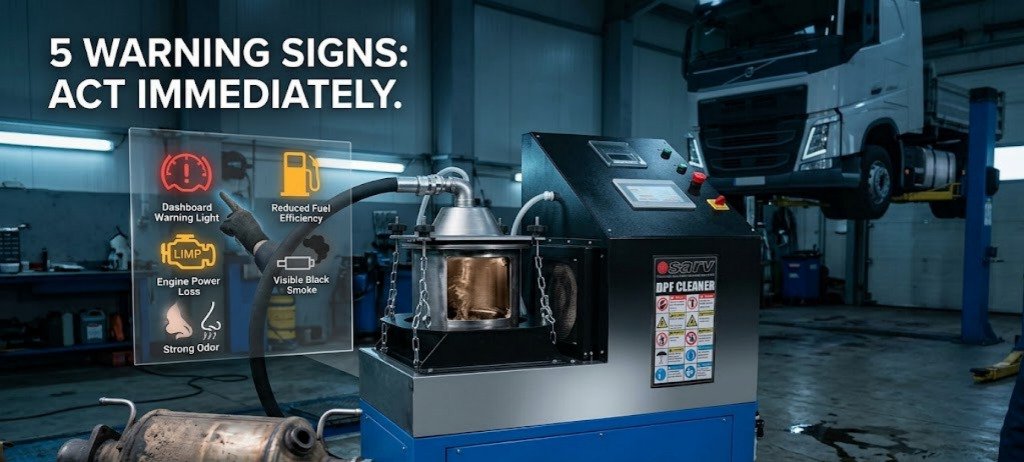
A Diesel Particulate Filter (DPF) plays a vital role in keeping your diesel vehicle eco-friendly and efficient. But like any component, it can become clogged over time. Recognizing the symptoms early can save you from costly repairs and downtime. Here are the five most common signs of a blocked DPF and how to deal with them. 1. Loss of Engine Power One of the first indicators is reduced acceleration and poor engine performance. A blocked DPF restricts airflow, making it harder for your engine to “breathe.” Solution: A professional DPF cleaning restores the filter’s flow and brings back your vehicle’s performance. 2. Increased Fuel Consumption If your vehicle suddenly starts using more fuel than usual, the DPF could be the culprit. The engine has to work harder to push exhaust gases through the clogged filter. Solution: Cleaning removes soot and ash deposits, improving fuel efficiency. 3. Warning Light on the Dashboard Modern vehicles have sensors that monitor DPF condition. When the filter is full of soot, the DPF warning light will glow. Ignoring this sign can cause severe engine damage. Solution: Don’t wait for regeneration to fail. Book a manual or machine cleaning session immediately. 4. Excessive Smoke from Exhaust If you see black smoke coming from your exhaust, it means the DPF is no longer filtering properly. This is not just bad for your vehicle but also harmful to the environment. Solution: Get a diagnostic test followed by a thorough cleaning. 5. Strange Smells or Overheating In severe cases, you may notice a burning smell or unusually high engine temperatures. This happens when trapped soot ignites inside the DPF. Solution: Stop driving and seek professional cleaning or inspection to prevent damage. Final Thoughts A blocked DPF is more than an inconvenience—it can shorten your engine’s life and increase operating costs. At DPF Clean Pro, we use advanced water + air pulse technology to safely restore filters to up to 99% efficiency. Don’t wait for warning signs—book your cleaning today and keep your engine running smoothly.