Modern diesel vehicles are designed to deliver power, durability, and fuel efficiency. However, maintaining diesel engines requires proper care, especially when it comes to the Diesel Particulate Filter (DPF). Over time, soot and ash build up inside the DPF, affecting engine efficiency and increasing fuel consumption. This is where a professional DPF cleaning solution becomes essential.
A reliable DPF cleaning solution helps restore blocked filters, improve engine performance, reduce harmful emissions, and enhance fuel economy. Whether you operate heavy commercial vehicles, trucks, buses, or industrial diesel equipment, regular DPF cleaning can significantly improve overall vehicle performance and reduce maintenance costs.
In this blog, we will explain how DPF cleaning works, why it matters, and how it helps improve engine performance and fuel efficiency.
What is a DPF?
A Diesel Particulate Filter (DPF) is an important component in modern diesel engines. It captures and stores soot particles produced during diesel combustion before they are released into the environment.
DPFs are essential for meeting strict emission regulations such as BS6 and Euro emission standards.
Main Functions of a DPF
- Reduce harmful diesel emissions
- Capture soot and particulate matter
- Improve environmental compliance
- Help diesel engines meet government standards
Although DPFs are highly effective, they eventually become clogged due to continuous soot accumulation.
What Causes DPF Blockage?
DPF blockage occurs when soot and ash deposits exceed the filter’s storage capacity.
Several factors contribute to clogging:
Short Distance Driving
Vehicles driven mostly in city traffic may not reach the temperatures required for proper DPF regeneration.
Poor Fuel Quality
Low-quality diesel can produce excessive soot.
Excessive Idling
Long idle times increase carbon buildup inside the DPF.
Faulty Injectors or Turbochargers
Engine issues can lead to incomplete combustion and higher soot production.
Delayed Maintenance
Ignoring warning signs can result in severe DPF blockage.
Signs Your Vehicle Needs a DPF Cleaning Solution
A blocked DPF can affect engine performance in several ways.
Common Symptoms Include:
- Reduced engine power
- Poor acceleration
- Increased fuel consumption
- Frequent regeneration cycles
- Black smoke from exhaust
- Engine warning lights
- Rough engine performance
- Turbocharger stress
If these issues are ignored, the DPF may require expensive replacement instead of cleaning.
What is a DPF Cleaning Solution?
A DPF cleaning solution refers to specialized equipment, cleaning chemicals, and processes used to remove soot, ash, and carbon deposits from diesel particulate filters.
Professional DPF cleaning machines use:
- Air pulse technology
- Water pressure cleaning
- Thermal cleaning methods
- Automated cleaning cycles
- Drying systems
These methods restore the DPF to near-original condition.
How a DPF Cleaning Solution Improves Engine Performance
A clean DPF allows the engine to operate more efficiently. Let’s understand how this happens.
1. Restores Proper Exhaust Flow
A clogged DPF restricts exhaust gas flow, creating excessive back pressure inside the engine.
This leads to:
- Reduced power
- Poor throttle response
- Engine stress
A professional DPF cleaning solution removes the blockage and restores proper airflow.
Benefits of Better Exhaust Flow
- Improved engine breathing
- Smoother acceleration
- Better combustion efficiency
- Enhanced overall performance
2. Reduces Engine Back Pressure
When the DPF becomes blocked, the engine must work harder to push exhaust gases through the filter.
High back pressure can:
- Reduce engine efficiency
- Increase engine temperature
- Damage internal engine components
Cleaning the DPF helps reduce back pressure and improves engine health.
3. Improves Turbocharger Performance
Turbochargers rely on smooth exhaust flow for proper operation.
A blocked DPF can:
- Reduce turbo efficiency
- Cause turbo lag
- Increase wear and tear
By using a proper DPF cleaning solution, workshops can restore turbocharger efficiency and improve vehicle acceleration.
4. Enhances Combustion Efficiency
Efficient exhaust flow improves the air-fuel mixture inside the engine.
This leads to:
- Better combustion
- Improved power delivery
- Reduced soot production
- Lower engine stress
The engine operates more smoothly after DPF cleaning.
5. Reduces Engine Overheating
Blocked DPFs increase exhaust temperatures during regeneration cycles.
Excessive heat can:
- Damage sensors
- Affect engine components
- Reduce engine lifespan
Regular DPF cleaning helps maintain safe operating temperatures.
How a DPF Cleaning Solution Improves Fuel Efficiency
Fuel economy is one of the biggest concerns for fleet operators and diesel vehicle owners.
A clean DPF can significantly improve mileage and reduce operating costs.
1. Reduces Fuel Consumption During Regeneration
When the DPF becomes blocked, the engine triggers active regeneration more frequently.
Regeneration burns extra fuel to clean the filter internally.
Frequent regeneration results in:
- Higher fuel usage
- Increased operating costs
- More downtime
A clean DPF reduces unnecessary regeneration cycles.
2. Improves Engine Efficiency
Engines perform best when exhaust gases flow freely.
A professional DPF cleaning solution improves airflow and allows the engine to use fuel more efficiently.
This helps:
- Increase mileage
- Improve combustion efficiency
- Reduce fuel waste
3. Optimizes Air-to-Fuel Ratio
A blocked DPF disrupts engine airflow balance.
Cleaning the filter restores proper air movement, helping the engine maintain the ideal air-to-fuel ratio.
This improves:
- Fuel combustion
- Engine response
- Fuel economy
4. Reduces Engine Load
A clogged DPF forces the engine to work harder.
Higher engine load increases fuel consumption.
DPF cleaning reduces unnecessary strain on the engine, helping save fuel over time.
Benefits of Professional DPF Cleaning
Professional cleaning offers several long-term advantages compared to basic manual cleaning methods.
Key Benefits
Improved Engine Performance
Restores lost power and acceleration.
Better Fuel Economy
Reduces fuel consumption and operating costs.
Lower Emissions
Helps vehicles comply with emission regulations.
Extended DPF Life
Prevents premature DPF replacement.
Reduced Maintenance Costs
Minimizes expensive engine and turbocharger repairs.
Faster Vehicle Performance Recovery
Drivers notice smoother and more responsive performance after cleaning.
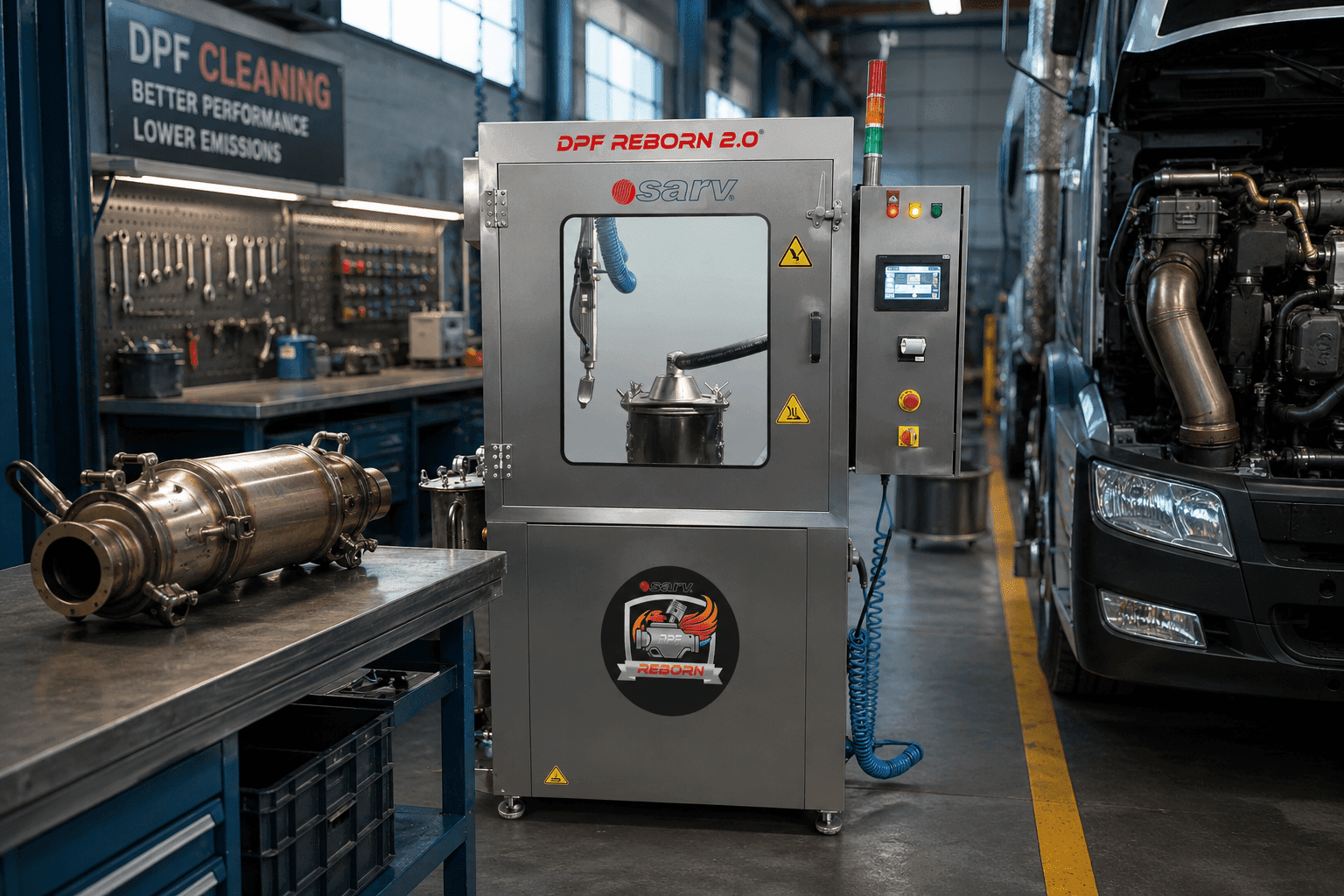
Types of DPF Cleaning Machines
Modern workshops generally use two types of DPF cleaning machines.
Fully Automatic DPF Cleaning Machines
These systems perform the cleaning process automatically with minimal operator involvement.
Features
- Automated cleaning cycles
- Air pulse cleaning
- Water flushing systems
- Automatic drying
- Sensor-based diagnostics
Advantages
- Faster cleaning
- Consistent results
- Reduced labor effort
- Ideal for high-volume workshops
Semi Automatic DPF Cleaning Machines
These machines require some manual handling during operation.
Features
- Manual control options
- Lower investment cost
- Simple operation
Advantages
- Budget-friendly
- Suitable for smaller workshops
- Easy maintenance
Industries That Benefit from DPF Cleaning Solutions
DPF cleaning is important across many industries using diesel-powered vehicles and equipment.
Commercial Vehicle Workshops
Truck and bus service centers regularly clean DPFs for customers.
Fleet Management Companies
Fleet operators use DPF cleaning to reduce maintenance costs and improve uptime.
Construction Industry
Construction equipment with diesel engines requires regular DPF maintenance.
Mining Industry
Heavy mining machinery depends on efficient DPF systems for reliable operation.
Agriculture Sector
Modern tractors and farm equipment also use DPF technology.
Why Regular DPF Maintenance Matters
Ignoring DPF maintenance can lead to serious problems.
Risks of Neglecting DPF Cleaning
- DPF replacement costs
- Engine damage
- Turbocharger failure
- Increased fuel expenses
- Vehicle downtime
- Failed emission tests
Preventive maintenance is always more affordable than major repairs.
Best Practices for Maintaining a Healthy DPF
To improve DPF lifespan and performance:
Use Quality Diesel Fuel
Better fuel reduces soot buildup.
Avoid Excessive Idling
Long idle times increase carbon accumulation.
Follow Service Schedules
Regular maintenance prevents severe blockage.
Monitor Warning Lights
Address DPF warnings immediately.
Use Professional Cleaning Equipment
Proper machines provide deeper and safer cleaning.
Choosing the Right DPF Cleaning Solution
Selecting the right cleaning system depends on your workshop needs.
Consider These Factors
Workshop Volume
High-volume workshops benefit from automatic systems.
Budget
Semi automatic machines are suitable for smaller businesses.
Service Support
Choose brands with reliable technical support.
Cleaning Efficiency
Look for machines with advanced cleaning technology.
Ease of Operation
Automation improves productivity and reduces operator error.
For authority :
Conclusion
A professional DPF cleaning solution plays a major role in maintaining diesel engine efficiency, reducing fuel consumption, and improving overall vehicle performance. Clean DPF systems help restore exhaust flow, reduce engine stress, improve turbocharger performance, and lower harmful emissions.
As diesel emission regulations become stricter, workshops and fleet operators must prioritize proper DPF maintenance. Investing in advanced DPF cleaning technology not only improves vehicle reliability but also helps reduce long-term operating costs.
Regular DPF cleaning is no longer optional—it is an essential part of modern diesel engine maintenance.
Looking for a reliable DPF cleaning solution for your workshop or fleet?
Explore advanced fully automatic and semi automatic DPF cleaning machines designed for maximum cleaning efficiency, faster operation, and long-term durability. Contact us today to find the right DPF cleaning system for your business.