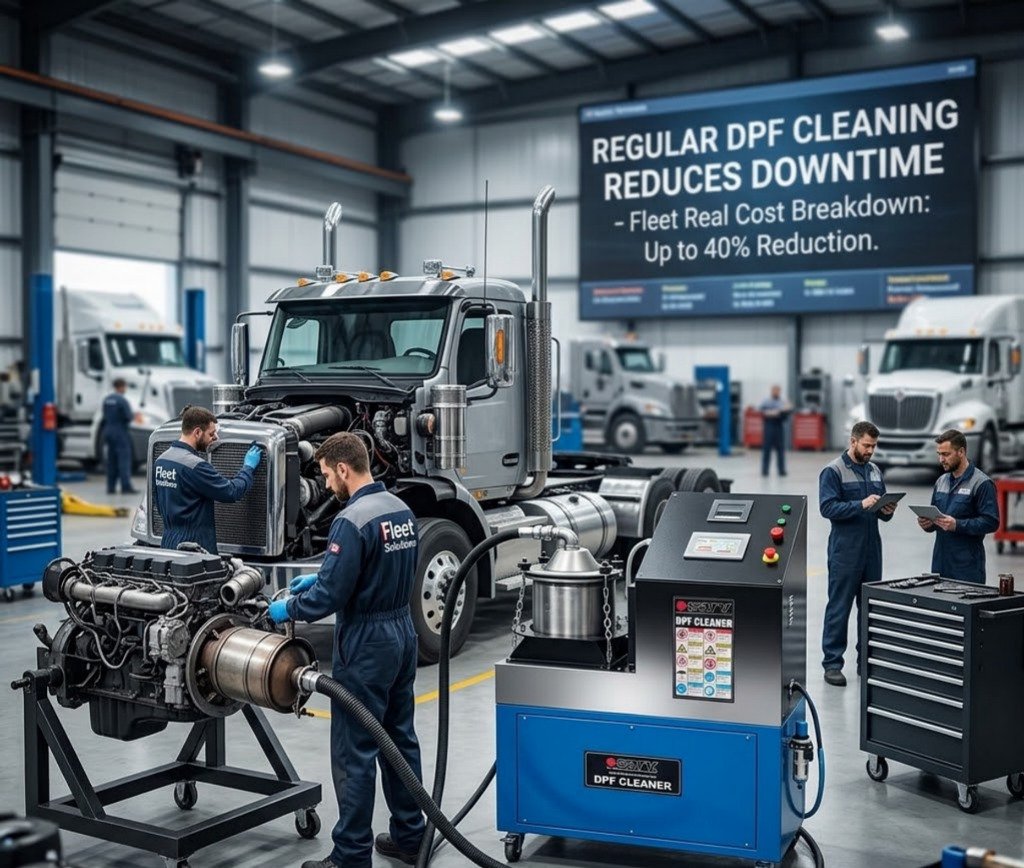
Managing a commercial fleet means constantly battling unexpected breakdowns, soaring fuel costs, and tight delivery schedules. For diesel-powered fleets, one hidden culprit frequently triggers these headaches: a clogged diesel particulate filter (DPF).
When soot and ash choke a DPF, engines go into limp mode, fuel efficiency plummets, and expensive components fail. But maintaining a proactive maintenance schedule centered around DPF cleaning can completely transform fleet reliability and operational bottom lines.
Here is how one mid-sized logistics fleet transformed their operations, featuring a real-world cost breakdown of reactive versus proactive maintenance.
The Hidden Threat: Understanding DPF Clogging in Fleets
Modern diesel engines rely on Diesel Particulate Filters to trap harmful soot and particulate matter before they exit the exhaust system. During long highway drives, the vehicle automatically initiates “regeneration,” burning off accumulated soot at high temperatures.
However, urban delivery fleets, stop-and-go utility vehicles, and idling trucks rarely reach the exhaust temperatures required for passive or active regeneration. Over time, unburnt soot and non-combustible ash accumulate, choking the filter and causing:
- Increased backpressure on the engine
- Severe loss of engine power and reduced fuel economy
- Frequent dashboard warning lights and forced “limp mode”
- Thermal cracking or complete melting of the expensive filter substrate
The Turning Point: A Case Study in Fleet Downtime
Consider a regional logistics company operating a core fleet of 45 medium-duty diesel delivery trucks. Over a grueling six-month period, the company faced mounting maintenance logs: an average of three trucks out of service every week due to exhaust aftertreatment failures.
Drivers frequently reported sluggish acceleration and sudden drops in engine performance mid-route, forcing the fleet manager to watch overall fuel expenses climb by 12% across the board. Initially, the company relied on quick-fix roadside forced regenerations and frequent, costly parts replacements. Each unexpected incident led to missed delivery windows, unhappy clients, and days of lost driver productivity.
Recognizing that emergency repairs were rapidly eroding their profit margins, the fleet manager decided to overhaul their approach. They implemented a strict, scheduled preventative DPF cleaning protocol every 3 to 6 months (tailored to individual route mileage), moving completely away from a purely reactive strategy.
Within months, exhaust backpressure issues disappeared, engine performance stabilized, and unscheduled maintenance dropped dramatically. By treating filter care as routine maintenance rather than an emergency crisis, the company protected its fleet, restored on-time deliveries, and saved thousands in avoidable repair costs.
To break this cycle, the fleet manager implemented a strict, scheduled preventative DPF cleaning protocol every 3 to 6 months (depending on route mileage), moving away from a purely reactive strategy.
The Real Cost Breakdown: Reactive vs. Proactive DPF Maintenance
The financial impact of switching from emergency filter replacements to preventative acoustic or thermal cleaning is staggering.
| Expense Category | Reactive Maintenance (Before) | Proactive DPF Cleaning (After) |
| Filter Replacement Cost | $4,500 – $8,000 per ruined unit | $0 (saved via cleaning) |
| Cleaning Service Cost | $300 – $500 (only when failed) | $350 – $400 (every 4 months) |
| Downtime & Towing | $1,200 per unexpected breakdown | $0 (scheduled weekend service) |
| Fuel Economy Loss | +12% excess fuel burned | Optimal baseline efficiency |
| Total Annual Cost (per truck) | $6,500+ | $1,200 |
By investing roughly $400 every few months into specialized professional cleaning, the fleet eliminated catastrophic filter failures entirely.
Key Benefits Realized Beyond Cost Savings
The financial spreadsheet only tells half the story. Implementing a disciplined maintenance schedule delivered several cascading operational benefits:
1. Drastic Reduction in Unplanned Downtime
Vehicles stopped breaking down mid-route. Scheduled maintenance meant trucks were serviced during off-hours, ensuring 98% fleet availability.
2. Restored Fuel Economy
Clearing out accumulated soot removed exhaust restriction. The fleet saw an immediate 8% to 10% improvement in miles per gallon (MPG) across the entire roster.
3. Extended Engine Lifespan
High backpressure forces diesel engines to work twice as hard, wearing out turbochargers, valves, and piston rings. Removing this strain dramatically prolonged overall engine life.
Link to EPA guidelines on diesel emission controls and particulate matter regulations
Best Practices for Fleet DPF Maintenance
To replicate these results in your own operation, follow these industry-best practices:
- Monitor Telematics: Use fleet management software to track soot load percentages and differential pressure sensor readings in real-time.
- Establish a Baseline Schedule: Do not wait for the dashboard warning light. Schedule cleanings based on engine hours or fuel burn thresholds (typically every 2,000 to 3,000 engine hours).
- Choose the Right Cleaning Method: Opt for advanced machine cleaning (such as pneumatic and hydrodynamic liquid flushing) rather than manual torch-burning, which can warp or damage the precious metal catalysts inside the filter.
- Educate Drivers: Train drivers on the importance of completing passive regeneration cycles and minimizing prolonged idle times when possible.
Ready to eliminate unexpected breakdowns and protect your bottom line? Don’t wait for a forced limp mode. Contact our expert fleet maintenance team today to schedule your professional DPF cleaning service or request a custom fleet audit.
Frequently Asked Questions (FAQs)
How does regular DPF cleaning reduce fleet vehicle downtime?
Regular DPF cleaning removes accumulated soot and ash before a complete blockage occurs. This prevents engines from entering forced limp mode, avoiding unexpected breakdowns and long delays in repair shops.
What is the cost difference between DPF cleaning and DPF replacement?
Professional DPF cleaning typically costs a fraction of a full replacement. While a new OEM filter can cost anywhere from $2,000 to $4,500 per commercial vehicle, scheduled cleaning usually costs around $300 to $600, saving thousands per fleet vehicle.
How often should commercial fleet vehicles undergo DPF cleaning?
Most commercial diesel fleets require professional DPF cleaning every 75,000 to 150,000 miles, depending on driving conditions, engine health, and whether vehicles perform long-haul highway trips or frequent city driving.
Does a clean DPF filter improve fuel efficiency?
Yes. A clogged DPF increases engine backpressure, forcing the engine to consume more fuel. Restoring proper exhaust airflow through regular cleaning helps maintain optimal fuel efficiency and reduces overall fuel expenditure across your fleet.