Modern diesel vehicles rely heavily on Diesel Particulate Filters (DPF) to catch harmful soot emissions. Over time, these filters get clogged. This leads to reduced vehicle performance, higher fuel consumption, and engine warning lights. Vehicle owners frequently need a reliable DPF cleaning solution to get their trucks and cars back on the road.
For years, automotive workshops faced a tough choice: replace expensive filters or use outdated chemical sprays that barely solve the problem. However, forward-thinking auto repair centers are changing the game.
In this case study, we look at how a regional commercial auto repair garage dramatically increased its monthly revenue, cut labor costs, and scaled its service offerings after investing in a fully automatic DPF cleaning machine.
The Challenge: High Demand, Low Margin Manual Methods
Before upgrading their equipment, the workshop relied on traditional manual methods for handling clogged diesel particulate filters. They were using off-the-shelf DPF cleaning machine sprays or outsourcing filter cleaning to third-party providers.
This old approach presented three major problems:
- Long Turnaround Times: Manual soaking or chemical flushing took hours and yielded unpredictable results.
- Lost Revenue: Outsourced cleaning meant sharing profits with external vendors.
- Customer Dissatisfaction: Incomplete cleaning caused recurring engine warnings, frustrating fleet owners and private clients alike.
The workshop manager recognized that local diesel car owners and transport companies were actively searching for a fast, reliable dpf cleaning service. Without dedicated in-house technology, the business was leaving substantial money on the table.
The Solution: Investing in an Automatic DPF Cleaning Machine
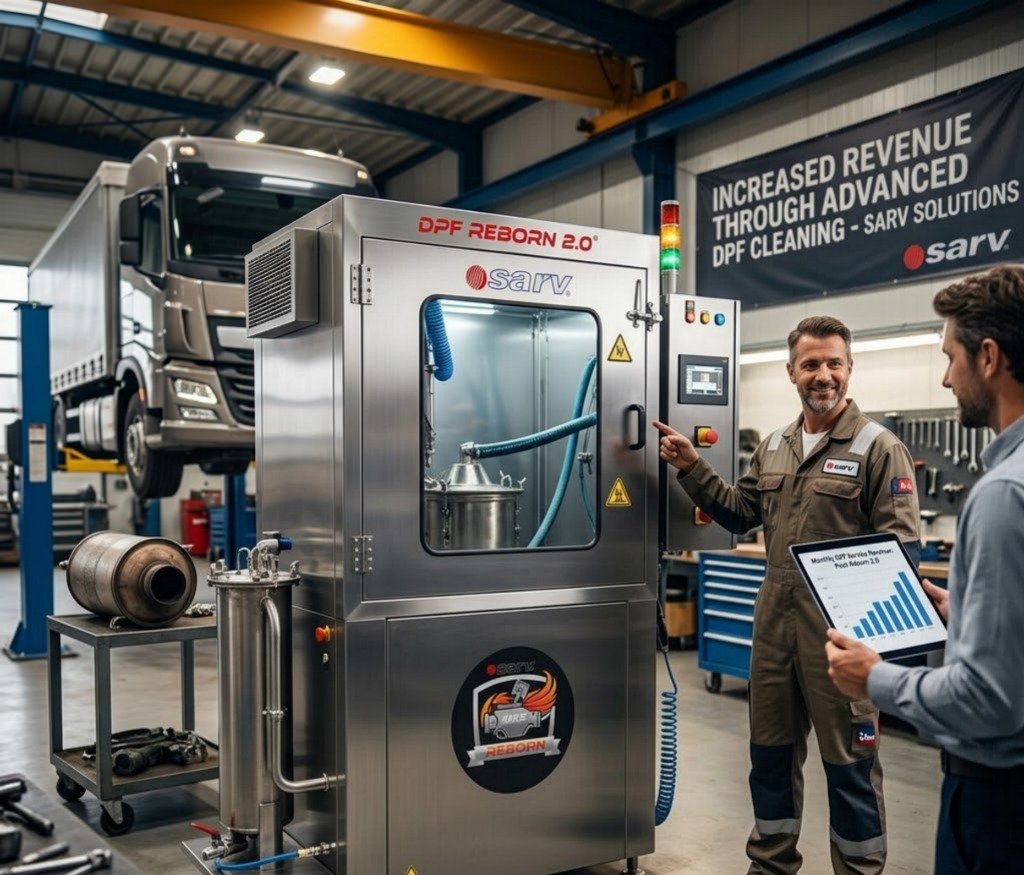
To eliminate bottlenecks and capture local market demand, the workshop invested in a high-efficiency, fully automatic DPF cleaning machine.
Unlike manual flushing or chemical additives, an automatic machine uses a combination of high-pressure liquid flushing, specialized detergents, and controlled air blasts to restore a filter’s airflow to near-new condition (up to 98% efficiency).
Why Automation Changed Everything
- Precision Cleaning: The DPF cleaning machine automatically controls fluid pressure, temperature, and cycle times, ensuring consistent results without damaging delicate ceramic honeycomb structures inside the filter.
- Speed: A process that previously took half a day was reduced to under 60 minutes per filter.
- Multi-Vehicle Capability: The machine could process filters from passenger cars, light commercial vans, and heavy-duty commercial trucks.
For workshops expanding into fast-growing automotive service markets—such as adopting a dpf cleaning machine in india or other heavy diesel markets—having an automated system instantly creates a competitive advantage over smaller garages using manual methods.
The Results: How Revenue Skyrocketed
Within ninety days of DPF cleaning machine installation, the workshop experienced a dramatic shift in its operational efficiency and bottom line.
       [ Old Method vs. Automatic DPF Machine ]

        Turnaround Time:
        Old:  4–6 Hours
        New:   1 Hour

        Filter Efficiency Restored:
        Old:  50-60%
        New:  98%

        Monthly Profit Potential:
        Old:  Low (Outsourced / Manual)
        New:  High (In-House Service)
1. New High-Margin Revenue Stream
Instead of sending customers to third-party specialists, the shop began handling every filter in-house. Charging a competitive rate for a complete, certified clean generated an immediate DPF cleaning machine high-margin revenue stream.
2. Attraction of B2B Commercial Fleets
Logistics companies, courier delivery fleets, and transport operators cannot afford long vehicle downtimes. By offering same-day turnaround with verifiable back-pressure test reports, the shop secured long-term service contracts with local commercial fleets.
3. Lower Labor Overhead
The machine’s automated cycle meant technicians did not have to stand over the unit continuously. A technician simply mounted the filter, set the parameters, and started the program—freeing them up to perform other profitable repair work around the bay.
Why Every Modern Garage Needs an Automated DPF Service
The diesel repair market is evolving rapidly. Strict environmental standards mean that almost every modern diesel truck and car on the road features a filter that will eventually require maintenance.
Key Advantages of In-House DPF Servicing
- Complete Restoration: High-quality DPF cleaning machine removes unburned soot, ash, and oil residue that standard chemical treatments leave behind.
- Transparent Testing: Advanced machines measure back-pressure differential before and after the cycle, providing clients with printed proof of performance improvement.
- Eco-Friendly Operations: Built-in filtration systems safely capture removed soot and recirculate cleaning fluid, protecting workshop staff and keeping operations compliant with local environmental laws.
Industry Insight: According to global vehicle emission guidelines from authority bodies like the U.S. Environmental Protection Agency (EPA), maintaining clean exhaust filtration systems is critical for reducing toxic particulate matter and extending engine life.
Step-by-Step: How the Automatic Cleaning Process Works
Understanding the mechanical process helps explain why specialized equipment outperforms basic sprays or DIY hacks.
Step 1: Diagnostic & Initial Pressure Test
The technician checks the filter for structural damage using an inspection camera. The filter is then mounted on the machine to perform an initial back-pressure airflow test to establish a baseline reading.
Step 2: Automated Washing & Flushing
The machine injects a mixture of heated water and high-grade dpf cleaner solution into the filter. Controlled hydro-dynamic pulses sweep through the tiny channels, breaking up hardened ash and soot deposits.
Step 3: High-Temperature Drying
Once washed, the machine runs an automated drying cycle using warm air to ensure no moisture remains inside the porous ceramic substrate.
Step 4: Post-Clean Verification
A final pressure test measures airflow. The technician prints a report comparing pre-wash and post-wash pressure levels to show the customer precise, measurable proof of the service.
Authority Links:
- Link to environmental regulation guidelines like the U.S. EPA Emission Standards.
- Link to automotive technical standards organizations such as SAE International.
Conclusion & Call to Action
Upgrading to an automated cleaning system is no longer just an operational improvement—it is a proven growth strategy. By adopting an advanced dpf cleaning solution, the workshop in our case study turned a frustrating repair challenge into one of their most profitable services.
If your garage is still turning away diesel work or relying on slow, outdated methods, now is the time to upgrade your service bay.
Ready to Boost Your Workshop’s Revenue?
Take your garage to the next level with industry-leading machinery. Contact our team today to get a custom quote on our high-performance dpf cleaning machine and start expanding your service offerings!
[Contact Us Today for a Free Product Demo]
Frequently Asked Questions (FAQs)
What is the best DPF cleaning solution for commercial workshops?
The most effective solution combines high-pressure hydrodynamic aqueous flushing with a specialized automatic cleaning machine. This restores up to 98% of original filter capacity without damaging internal ceramic components.
How long does a fully automatic DPF cleaning process take?
An automated cleaning cycle typically takes between 45 and 90 minutes, depending on the size of the filter and the severity of soot accumulation.
Can a DPF cleaning machine handle both cars and commercial trucks?
Yes. Modern automatic machines come equipped with universal adapters designed to fit passenger vehicles, light commercial vans, and heavy-duty trucks.
Is buying a DPF cleaning machine in India or global markets cost-effective?
Yes. Given the high demand for diesel filter maintenance and the margins on cleaning services, most workshops recover their initial investment within 6 to 12 months.